Table of Contents
- Introduction
- Why Dental Health Matters for Dogs
- Understanding Dental Chews
- Benefits of Dental Chews
- How to Choose the Right Dental Chew
- Top Dental Chews for Dogs
- Vet Recommended Options
- VOHC Approved Chews
- Natural and All-Natural Choices
- How to Use Dental Chews Effectively
- Potential Risks and Side Effects
- Alternatives to Dental Chews
- Frequently Asked Questions
- Conclusion
Introduction
As a dog owner, you want the best for your furry friend, and that includes maintaining their dental health. Dental chews have become increasingly popular as a convenient way to support canine oral hygiene. This comprehensive guide will provide you with everything you need to know about dental chews for dogs, helping you make an informed decision about incorporating them into your pet’s routine.

Why Dental Health Matters for Dogs
Before diving into dental chews, it’s crucial to understand why canine dental health is so important:
- Prevention of periodontal disease: According to the American Veterinary Dental College, most dogs show signs of periodontal disease by age three.
- Overall health impact: Poor dental health can lead to issues with the heart, liver, and kidneys.
- Quality of life: Dental problems can cause pain and discomfort, affecting your dog’s eating habits and overall well-being.
- Cost savings: Regular dental care can prevent expensive veterinary dental procedures in the future.
Understanding Dental Chews
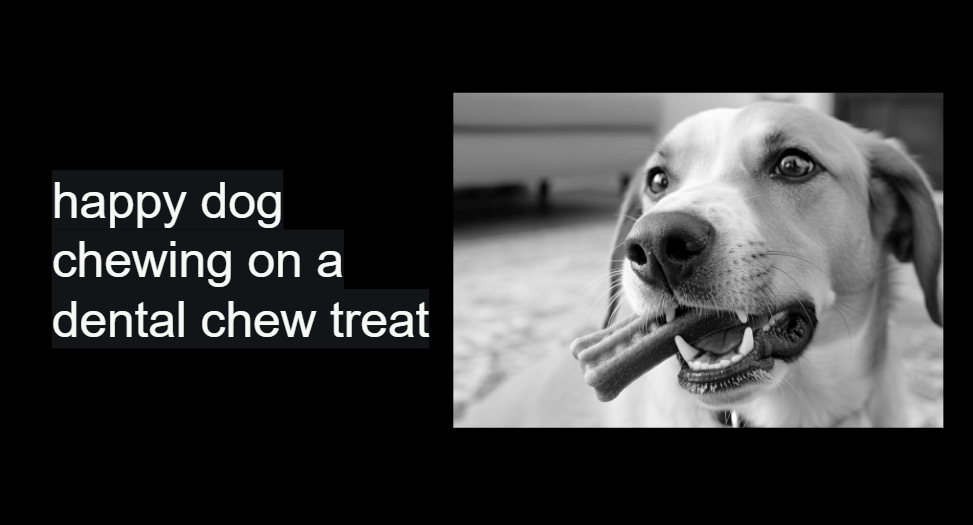
Dental chews are specially designed treats that help clean your dog’s teeth as they chew. They work through a combination of:
- Mechanical action: The texture and shape of the chew help scrape plaque and tartar off the teeth.
- Chemical action: Some chews contain ingredients that help break down plaque or freshen breath.
Benefits of Dental Chews
When used correctly, dental chews can provide numerous benefits:
- Plaque and tartar reduction: Studies have shown that regular use can reduce plaque by up to 70% and tartar by up to 54%.
- Fresher breath: Many dental chews contain ingredients that help neutralize odor-causing bacteria.
- Gum health: The chewing action can stimulate gums and increase blood flow.
- Mental stimulation: Chewing provides a positive outlet for your dog’s natural chewing instincts.
- Convenient oral care: Dental chews offer an easy way to supplement your dog’s dental care routine.
How to Choose the Right Dental Chew
Selecting the best dental chew for your dog involves considering several factors:
- Size and breed: Choose a chew appropriate for your dog’s size to prevent choking hazards.
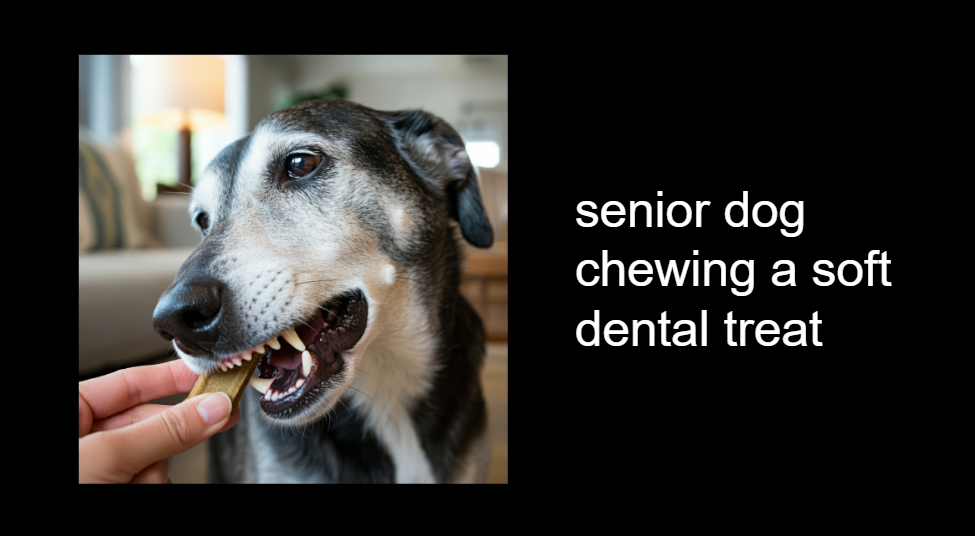
- Age: Puppies and seniors may need softer chews.
- Ingredients: Look for high-quality, easily digestible ingredients. Avoid artificial preservatives and colors.
- Texture: The chew should be firm enough to provide cleaning action but not so hard that it could damage teeth.
- VOHC approval: Products approved by the Veterinary Oral Health Council have been proven effective.
- Calories: Consider the caloric content, especially for overweight dogs.
- Flavor: Choose flavors your dog enjoys to ensure they’ll actually use the chew.
Top Dental Chews for Dogs
Vet Recommended Options

Greenies Original Dental Dog Treats
- VOHC approved
- Available in various sizes
- Helps clean teeth down to the gumline
- Contains natural ingredients and added vitamins
- Pros: Highly effective, widely available
- Cons: Some dogs may consume them too quickly

Oravet Dental Hygiene Chews
- Creates a protective barrier against bacteria
- Helps freshen breath
- Suitable for daily use
- Pros: Unique formula, long-lasting effects
- Cons: More expensive than some alternatives
VOHC Approved Chews

Virbac C.E.T. VeggieDent FR3SH Tartar Control Chews
- Plant-based ingredients
- Helps reduce bad breath
- Suitable for daily use
- Pros: Good for dogs with meat allergies
- Cons: Some dogs may not like the vegetable flavor
- Description: These chews have a patented honeycomb shape that helps clean teeth and reduce tartar. They are made with high-quality protein and are available in various sizes.
- Benefits: VOHC approved, effective for cleaning teeth and freshening breath.
Natural and All-Natural Choices

Whimzees Natural Dental Dog Treats
- Made with limited, natural ingredients
- Vegetarian and grain-free
- Unique shapes for effective cleaning
- Pros: Long-lasting, suitable for dogs with sensitivities
- Cons: Some dogs may not like the texture
- Description: These chews help freshen breath and clean teeth without the need for brushing.
- Benefits: Easy to use, reduces plaque and tartar, and promotes fresh breath.
How to Use Dental Chews Effectively
To maximize the benefits of dental chews:
- Introduce gradually: Start with short chewing sessions and increase duration over time.
- Supervise: Always watch your dog when they’re using a new chew.
- Choose the right size: Ensure the chew is appropriate for your dog’s size and chewing style.
- Use regularly: For best results, use dental chews daily or as recommended by your vet.
- Combine with other dental care: Use in conjunction with regular brushing and veterinary check-ups.
Potential Risks and Side Effects
While dental chews are generally safe, be aware of potential risks:
- Choking hazard: Always supervise and choose appropriate sizes.
- Digestive issues: Some dogs may experience upset stomachs, especially if they consume too many.
- Allergic reactions: Watch for signs of allergies when introducing new chews.
- Tooth damage: Extremely hard chews can potentially crack teeth.
- Weight gain: Monitor calorie intake, especially for overweight dogs.
Alternatives to Dental Chews
While dental chews are convenient, they’re not the only option for canine dental care:
- Brushing: The gold standard for canine dental care.
- Dental wipes: Good for dogs who won’t tolerate brushing.
- Water additives: Can help reduce bacteria in the mouth.
- Dental diets: Specially formulated foods that promote oral health.
- Professional cleaning: Regular veterinary dental check-ups and cleanings.
Frequently Asked Questions
- How often should I give my dog a dental chew? Most can be given daily, but always follow the package instructions or your vet’s advice.
- Can dental chews replace brushing? While helpful, they shouldn’t completely replace brushing. They’re best used as part of a comprehensive dental care routine.
- Are rawhide chews good for dental health? While they can help clean teeth, rawhide poses choking and digestive risks. Many vets recommend safer alternatives.
- Can puppies use dental chews? Yes, but choose chews specifically designed for puppies and introduce them gradually.
- How do I know if a dental chew is working? Look for reduced bad breath, less visible tartar, and healthier-looking gums. Your vet can also assess your dog’s dental health during check-ups.
Conclusion
Dental chews can be a valuable tool in maintaining your dog’s oral health, but they’re most effective when used as part of a comprehensive dental care routine. By choosing the right product for your dog’s specific needs and using it correctly, you can help ensure your furry friend maintains a healthy, happy smile for years to come.
Remember, while this guide provides extensive information, it’s always best to consult with your veterinarian for personalized advice on your dog’s dental health. They can help you create a tailored dental care plan that may include dental chews, regular brushing, and professional cleanings.
By prioritizing your dog’s dental health, you’re not just preventing bad breath and dental disease – you’re contributing to their overall health and well-being. With the right approach, including the appropriate use of dental chews, you can help your canine companion enjoy a lifetime of healthy teeth and gums.