As a loving dog owner, you want to ensure your furry friend stays healthy and happy for years to come. While regular exercise and a balanced diet are crucial, there’s one aspect of canine health that often goes overlooked: dental care. In this comprehensive guide, we’ll explore the importance of dog dental care, common dental problems, and how to keep your dog’s teeth clean and healthy.
Importance of Dog Dental Care
Just like humans, dogs need regular dental care to maintain their overall health. Poor dental hygiene can lead to a host of problems, ranging from bad breath to serious health issues. Here’s why dog dental care should be a top priority:
- Prevention of dental diseases: Regular care can prevent common dental problems like tooth decay, gum disease, and tooth loss.
- Improved overall health: Good dental health is linked to better overall health, including reduced risk of heart disease.
- Better quality of life: Healthy teeth and gums mean your dog can eat comfortably and enjoy their favorite activities without pain.
According to the American Veterinary Dental College, by the age of three, most dogs show signs of periodontal disease. This statistic underscores the importance of starting dental care early and maintaining it throughout your dog’s life.
Common Dog Dental Problems
Dogs can suffer from various dental issues, many of which are preventable with proper care. Here are some of the most common problems:
Periodontal Disease
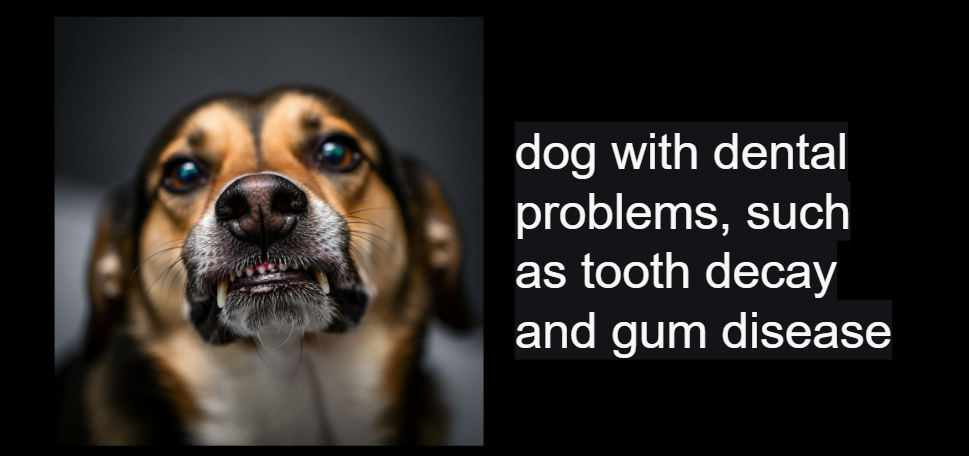
Periodontal disease is the most common dental condition in dogs. It begins with plaque buildup, which hardens into tartar if not removed. This can lead to inflammation of the gums (gingivitis) and, if left untreated, can progress to periodontitis, causing damage to the supporting structures of the teeth.
Symptoms:
- Bad breath
- Red or swollen gums
- Bleeding gums
- Difficulty eating
- Loose or missing teeth
Tooth Decay
While less common in dogs than humans due to differences in diet and mouth chemistry, tooth decay can still occur. It’s often caused by a buildup of bacteria that produce acid, eroding the tooth enamel.
Symptoms:
- Discolored teeth
- Visible holes in teeth
- Pain or sensitivity when eating
Tooth Fractures
Active dogs, especially those who love to chew on hard objects, are at risk for tooth fractures. These can expose the sensitive inner parts of the tooth, leading to pain and infection.
Symptoms:
- Visible crack or chip in the tooth
- Reluctance to chew on one side of the mouth
- Drooling or pawing at the mouth
Dog Dental Care Routine
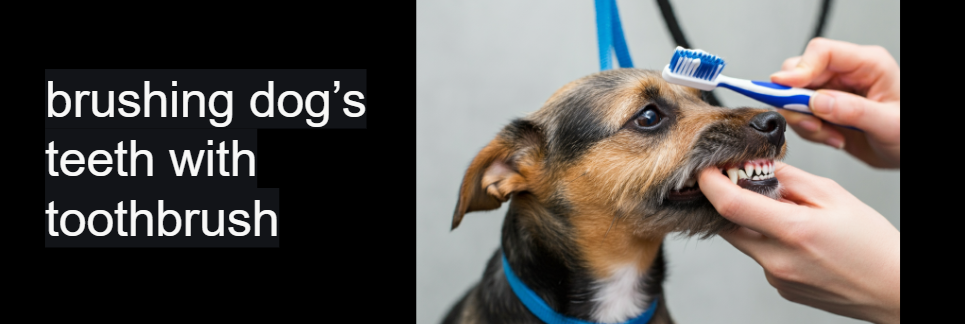
Establishing a regular dental care routine is crucial for maintaining your dog’s oral health. Here’s a step-by-step guide to brushing your dog’s teeth:
- Choose the right tools: Use a dog-specific toothbrush and toothpaste. Never use human toothpaste, as it can be harmful to dogs if swallowed.
- Introduce gradually: Let your dog get used to having their mouth and teeth touched before introducing the brush.
- Start brushing: Begin with short sessions, focusing on the outer surfaces of the teeth where plaque tends to accumulate.
- Be consistent: Aim to brush your dog’s teeth at least 2-3 times a week, ideally daily.
- Reward your dog: Make the experience positive by praising and rewarding your dog after each session.
Remember, professional dental cleanings by a veterinarian are also an essential part of your dog’s dental care routine. These should typically be done annually, though your vet may recommend more frequent cleanings based on your dog’s individual needs.
Dog Dental Care Products
There are numerous products available to help maintain your dog’s dental health. Here are some top picks:

- Description: This toothpaste is highly recommended by veterinarians for its effectiveness in reducing plaque and tartar. It comes in multiple flavors, including poultry, beef, and vanilla mint. It is safe for dogs and cats and does not contain foaming agents.
- Benefits: Enzymatic formula helps break down plaque, safe if swallowed, and available in various flavors.
- Description: This toothpaste is approved by the Veterinary Oral Health Council (VOHC) and comes in flavors like London Broil, Rotisserie Chicken, and Say Cheese. It is effective in reducing tartar and plaque buildup.
- Benefits: VOHC-approved, multiple flavor options, safe for cats, and can be used without a toothbrush
- Description: This budget-friendly toothpaste contains an odor-neutralizing enzyme to help reduce bad breath. It is available in chicken and vanilla-ginger flavors.
- Benefits: Enzymatic formula, inexpensive, and helps reduce bad breath
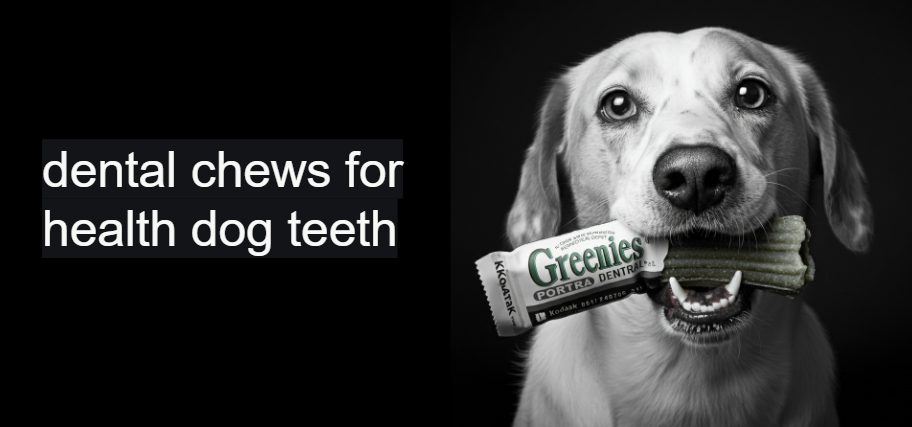
- Description: These dental treats are designed to help clean teeth and freshen breath. They are recommended by veterinarians and come in various sizes and flavors.
- Benefits: Helps clean teeth, freshens breath, and is vet-recommended
- Description: These dental chews help reduce tartar and plaque while promoting fresh breath. They are available in different sizes for various dog breeds.
- Benefits: Reduces tartar and plaque, promotes fresh breath, and is easy to digest.
- Description: These dental chews are designed to help freshen breath and clean teeth without the need for brushing. They are suitable for small breeds and come in a 12 oz pack.
- Benefits: Freshens breath, reduces plaque and tartar, and is easy to use.
When choosing dental care products, look for those approved by the Veterinary Oral Health Council (VOHC) for the best results.
Dog Dental Care Tips
In addition to regular brushing and professional cleanings, here are some tips to keep your dog’s teeth healthy:
- Provide dental chews and toys: These can help clean teeth and massage gums.
- Consider a dental diet: Some dog foods are formulated to promote dental health.
- Avoid table scraps: Human food can contribute to plaque buildup and obesity.
- Check your dog’s mouth regularly: Look for signs of dental problems like bad breath, swollen gums, or discolored teeth.
- Stay consistent: Regular care is key to preventing dental problems.

Maintaining your dog’s dental health is a crucial part of their overall care. By establishing a regular dental care routine, using appropriate products, and staying vigilant for signs of dental problems, you can help ensure your furry friend keeps their pearly whites for years to come. Remember, good dental health contributes to your dog’s overall well-being and quality of life. So, pick up that toothbrush and make dental care a priority – your dog’s smile is worth it!
Affiliate Discloser
This article contains affiliate links to products on Amazon.com and other online retailers. If you click on one of these links and make a purchase, I may earn a commission at no additional cost to you. This commission helps support the creation of free content on this website.
The information contained in this article is for general information purposes only and should not be considered as professional advice. I am not a veterinarian, trainer, or other animal care professional, and my opinions and recommendations are based on my own research and experience.
By using my affiliate link, you agree to these terms and conditions. If you have any questions or concerns, please don’t hesitate to contact me.